How Modern Management Programs Prepare Students for Global Business Challenges Key Highlights
Key Highlights
- Understand why modern management education is essential in today’s global business environment.
- Learn how industry-oriented MBA programs develop future-ready business leaders.
- Discover the importance of experiential learning, global exposure, and leadership development.
- Explore the role of technology, innovation, and strategic thinking in management education.
- Find out what students should look for while selecting the best MBA college in Faridabad.
- Learn how holistic management programs improve employability and entrepreneurial capabilities.
Table of Contents
- Introduction
- About Us
- Why Are Modern MBA Programs Important in Today’s Global Economy?
- How Do Modern Management Programs Develop Future Business Leaders?
- What Skills Are Essential for Global Business Success?
- How Does Industry Exposure Enhance Learning?
- Traditional MBA vs Modern Industry-Oriented MBA
- Conclusion
- FAQs
Introduction
Businesses today operate in an interconnected global marketplace where technological innovation, digital transformation, and evolving consumer expectations shape organizational success. At Anangpuria, the best MBA college near Ballabgarh-Sohna road, companies seek professionals who possess not only strong business knowledge but also leadership abilities, analytical thinking, adaptability, and global perspectives. As industries become increasingly competitive, management education has evolved to prepare students for these dynamic business environments through practical learning, innovation, and real-world exposure.
About Us — Among the MBA Colleges near Sohna Road
At Anangpuria, one of the leading MBA colleges near Sohna road, management education emphasizes academic excellence, innovation, and industry relevance. The institution provides a learning environment where students develop business acumen through experienced faculty, interactive classrooms, live projects, internships, leadership activities, corporate interactions, and skill-based learning initiatives. The curriculum focuses on nurturing analytical thinking, ethical leadership, communication, entrepreneurship, and strategic decision-making, preparing students to excel in today’s competitive global business landscape.
Key Components of a Modern MBA Program
| Learning Area | Career Benefit |
|---|---|
| Strategic Management | Better business decision-making |
| Financial Management | Strong analytical and financial skills |
| Marketing Analytics | Customer-focused business strategies |
| Business Communication | Effective leadership and collaboration |
| Data Analytics | Informed decision-making |
| Entrepreneurship | Innovation and startup readiness |
| Live Projects | Practical industry exposure |
| Internships | Professional workplace experience |
Why Are Modern MBA Programs Important in Today’s Global Economy?
Organizations now require managers who can lead multicultural teams, analyze complex markets, adopt emerging technologies, and respond to rapidly changing business conditions. Modern management education prepares students for these responsibilities by combining theoretical knowledge with practical business applications — a key reason students comparing an MBA college in Gurgaon with options in Faridabad prefer institutions offering stronger industry engagement.
Key Benefits of Modern MBA Programs
- Industry-oriented curriculum aligned with current market needs
- Practical business case studies
- Global business perspectives
- Leadership and decision-making development
- Exposure to emerging technologies
- Corporate networking opportunities
- Entrepreneurial mindset development
- Focus on ethical and sustainable business practices
These elements ensure graduates are equipped to contribute effectively across industries.
How Do Modern Management Programs Develop Future Business Leaders?
Leadership development is a central objective of contemporary MBA education. Students participate in collaborative projects, presentations, business simulations, and strategic planning exercises that enhance confidence and decision-making capabilities.
Leadership Development Activities
- Team-based assignments
- Business simulations
- Group discussions
- Corporate presentations
- Leadership workshops
- Industry mentoring
- Innovation challenges
- Management competitions
These experiences help students develop the interpersonal and strategic skills required to lead organizations in competitive environments.
What Skills Are Essential for Global Business Success?
Successful managers combine technical business knowledge with professional competencies that enable them to navigate complex organizational challenges.
Business Skills
- Strategic Planning
- Financial Analysis
- Marketing Management
- Human Resource Management
- Business Analytics
- Supply Chain Management
- Digital Business Strategies
- Project Management
Professional Skills
- Leadership
- Critical Thinking
- Communication
- Negotiation
- Problem Solving
- Emotional Intelligence
- Adaptability
- Cross-cultural Collaboration
- Time Management
- Ethical Decision-Making
Developing these competencies prepares students for leadership roles in multinational organizations, startups, consulting firms, and corporate enterprises.
How Does Industry Exposure Enhance Learning at a Best BBA College in Faridabad?
Industry engagement helps students understand real-world business operations and strengthens classroom learning through practical application. This applies equally to undergraduate management students — at Anang Puria, also a best BBA college in Faridabad, industry exposure begins early in the academic journey.
Valuable Industry Exposure Includes
- Corporate internships
- Live consulting projects
- Industrial visits
- Guest lectures by business leaders
- Business networking events
- Entrepreneurship development programs supported by initiatives like Startup India
- Corporate mentorship
- Placement training
- Professional certification opportunities
Such experiences enable students to build confidence while developing practical business insights that employers highly value.
Traditional MBA vs Modern Industry-Oriented MBA
| Traditional MBA | Modern MBA Program |
|---|---|
| Theory-focused learning | Practical and experiential learning |
| Limited industry interaction | Regular corporate engagement |
| Classroom-based teaching | Case studies and live projects |
| Exam-oriented assessment | Skill and competency evaluation |
| Limited technology integration | Digital tools and business analytics |
| Generic curriculum | Industry-aligned curriculum |
| Basic communication training | Leadership and global business skills |
Career Opportunities After a Modern MBA
Industry-oriented management education opens doors to diverse career opportunities across sectors.
Popular career options include:
- Business Development Manager
- Marketing Manager
- Financial Analyst
- Human Resource Manager
- Operations Manager
- Business Consultant
- Product Manager
- Project Manager
- Strategy Analyst
- Digital Marketing Manager
- Entrepreneur
- Supply Chain Manager
Graduates equipped with practical experience and leadership skills are well-positioned to succeed in evolving global industries.
Conclusion: Selecting the Best MBA College in Faridabad
Modern management programs play a vital role in preparing students for the challenges of an increasingly interconnected business world. Through experiential learning, industry engagement, leadership development, technological integration, and practical business exposure, graduates of the best MBA college in Faridabad become capable of driving organizational growth and innovation. Aspiring students can explore the admission process here.
FAQs
Q1. Why is Anangpuria School of Business preferred over conventional business schools?
It combines global business insights with practical management learning.
Q2. How does Anangpuria School of Business compare with traditional MBA institutes?
It focuses on industry exposure and leadership development.
Q3. Does Anangpuria School of Business prepare students for international careers?
Yes, it builds global business and strategic management skills.
Q4. Why choose Anangpuria School of Business instead of other management colleges?
Its experiential approach strengthens real-world decision-making.
Q5. How does Anangpuria School of Business develop future business leaders?
Through case studies, internships, and corporate interaction.
Q6. Is Anangpuria School of Business suitable for aspiring entrepreneurs?
Yes, it nurtures innovation, leadership, and business acumen.
Why Practical Exposure Matters When Choosing the Right MBA Institute
Key Highlights
- Understand why practical exposure is essential in modern management education.
- Learn how industry interaction bridges the gap between classroom learning and corporate expectations.
- Discover the role of internships, live projects, and case studies in shaping future leaders.
- Explore how experiential learning improves employability and leadership skills.
- Know what to look for when selecting among the MBA Colleges.
- Find out how institutions with strong industry integration prepare students for long-term career success.
Table of Contents
- Introduction
- About Us
- Why Practical Exposure Is Important in MBA Education
- How Do Live Projects Enhance Learning?
- Why Are Internships Crucial for MBA Students?
- How Does Industry Interaction Improve Career Readiness?
- What Role Do Case Studies and Simulations Play?
- Practical Exposure vs Traditional Learning
- Key Components of Industry-Oriented MBA Programs
- Conclusion
- FAQs
Introduction:
Choosing an MBA institute is one of the most significant decisions for aspiring management professionals. While curriculum, faculty, infrastructure, and placement records remain important factors, practical exposure has become equally critical in today’s dynamic business environment. At Anangpuria, the One of the Best MBA Colleges in Gurgaon where these employers are increasingly seeking graduates who can apply theoretical concepts to real-world challenges, make informed decisions, and contribute from day one.
About Us:
An MBA institution committed to academic excellence understands that management education extends beyond textbooks and examinations. The focus is on creating future-ready professionals through experiential learning opportunities, industry engagement, leadership development programs, and practical business exposure.
Practical Learning Impact Chart
| Learning Method | Knowledge Retention | Skill Development | Industry Readiness |
| Classroom Lectures | Moderate | Limited | Moderate |
| Case Studies | High | High | High |
| Live Projects | Very High | Very High | Very High |
| Internships | Excellent | Excellent | Excellent |
| Industry Workshops | High | High | Very High |
How Do Live Projects Enhance Learning?
Live projects provide students with the opportunity to work on actual business challenges faced by organizations.
Through these projects, students can:
- Apply management theories to practical situations.
- Analyze real business data and market trends.
- Develop strategic recommendations for companies.
- Improve teamwork and leadership capabilities.
- Gain confidence in handling complex business scenarios.
Working on real projects helps students understand the practical implications of classroom concepts and prepares them for professional responsibilities.
Why Are Internships Crucial for MBA Students?
Internships serve as a bridge between academic learning and professional careers. They offer students firsthand exposure to corporate culture, workplace expectations, and industry operations.
Benefits of internships include:
- Understanding organizational structures and processes.
- Developing professional communication skills.
- Building industry networks and connections.
- Identifying strengths and areas for improvement.
- Enhancing employability through practical experience.
Students who complete meaningful internships often demonstrate stronger workplace readiness and adaptability compared to those with purely academic backgrounds.
How Does Industry Interaction Improve Career Readiness?
Industry interaction enables students to learn directly from experienced professionals and business leaders.
Such exposure may include:
- Guest lectures by industry experts.
- Corporate workshops and seminars.
- Leadership talks and panel discussions.
- Networking events with recruiters.
- Industry visits and business immersion programs.
These experiences provide valuable insights into current market trends, emerging technologies, and evolving business practices. Students gain a realistic understanding of corporate expectations and career opportunities.
What Role Do Case Studies and Simulations Play?
Case studies and business simulations are powerful learning tools that replicate real-world decision-making situations.
They help students:
- Analyze business challenges critically.
- Evaluate multiple solutions.
- Develop strategic thinking abilities.
- Improve decision-making under pressure.
- Understand business risks and opportunities.
By examining real business scenarios, students learn how successful organizations address challenges and achieve growth.
Practical Exposure vs Traditional Learning
| Factor | Traditional Learning | Practical Exposure |
| Learning Style | Theory-focused | Application-focused |
| Skill Development | Moderate | Extensive |
| Industry Understanding | Limited | Comprehensive |
| Problem-Solving Ability | Basic | Advanced |
| Employability | Good | Excellent |
| Confidence Level | Moderate | High |
Key Components of Industry-Oriented MBA Programs
When evaluating MBA institutions, students should look for the following practical learning opportunities:
Internship Opportunities
- Summer internships.
- Industry-sponsored projects.
- Corporate mentorship programs.
Corporate Collaborations
- Industry partnerships.
- Business consulting assignments.
- Guest sessions by professionals.
Experiential Learning
- Business simulations.
- Entrepreneurship projects.
- Management competitions.
Career Development Support
- Placement preparation workshops.
- Leadership training programs.
- Communication and personality development sessions.
These elements contribute significantly to creating well-rounded management professionals capable of thriving in competitive business environments.
Conclusion:
Practical exposure has become an indispensable component of quality management education. While academic knowledge provides a strong foundation, real-world experiences enable students to develop the skills, confidence, and adaptability required in today’s business landscape. Live projects, internships, industry interactions, and case-based learning collectively enhance professional readiness and career prospects.
FAQs:
1. Why should students consider practical exposure while choosing Anangpuria over other MBA institutes?
Practical exposure helps students gain industry-relevant skills, making them better prepared for corporate roles compared to institutions with a predominantly theoretical approach.
2. How does Anangpuria compare with other Best MBA Colleges in Gurgaon in terms of internships?
Students should evaluate internship opportunities, corporate partnerships, and experiential learning programs to understand how different institutions support career readiness.
3. Does Anangpuria offer advantages through industry interaction compared to other MBA colleges?
Industry interactions can provide valuable networking opportunities, practical insights, and exposure to current business trends that enhance management education.
4. Why are live projects important when comparing Anangpuria with other MBA institutes?
Live projects enable students to apply classroom concepts to real business challenges, helping them develop practical problem-solving and decision-making skills.
5. How do employers view graduates from Anangpuria compared with graduates from other MBA colleges?
Employers generally value candidates who possess a combination of academic knowledge and practical experience gained through internships, projects, and industry engagement.
6. What factors should students compare between Anangpuria and other Best MBA Colleges in Gurgaon?
Students should compare curriculum quality, faculty expertise, practical exposure opportunities, industry collaborations, internship support, placement assistance, and overall career development initiatives before making a decision.
Read More
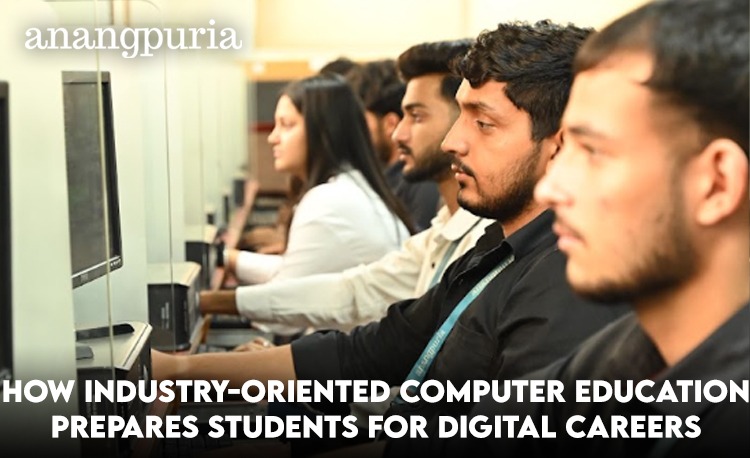
How Industry-Oriented Computer Education Prepares Students for Digital Careers
Key Highlights
- Understand why industry-oriented computer education is essential for modern digital careers.
- Learn how practical learning bridges the gap between academics and the IT industry.
- Explore the role of programming, AI, cloud computing, and cybersecurity in career readiness.
- Discover the importance of internships, live projects, certifications, and soft skills.
- Find out what students should consider while choosing a BCA college in Faridabad.
- Learn how an industry-focused curriculum creates future-ready professionals.
Table of Contents
- Introduction
- About Us
- Why Has Industry-Oriented Computer Education Become Essential?
- What Makes a BCA College in Faridabad Industry-Oriented?
- How Do Practical Learning and Industry Exposure Build Career Readiness?
- Which Skills Help Students Succeed in Digital Careers?
- Industry-Oriented Learning vs Traditional Learning
- Conclusion
- FAQs
Introduction
The digital economy is transforming every industry, creating an increasing demand for professionals with strong technical knowledge and practical expertise. At Anangpuria, the best BCA college in Faridabad, businesses today seek graduates who can solve real-world challenges, work with emerging technologies, collaborate effectively in teams, and adapt quickly to changing industry trends. This shift has made industry-oriented computer education one of the most valuable pathways for students aspiring to build successful careers in technology.
About Us — A Top College in Faridabad
At Anangpuria, recognized as a top college in Faridabad located in Alampur, Faridabad, education goes beyond textbooks by integrating academic excellence with industry-focused learning. The institution emphasizes experiential education through practical training, modern computer laboratories, innovation-driven projects, internships, and professional skill development. Students benefit from experienced faculty, technology-enabled classrooms, industry interactions, and career guidance designed to prepare them for the evolving digital landscape. This holistic learning approach supports students in developing technical expertise, leadership qualities, and professional confidence required to excel in today’s competitive technology sector.
Key Components of Industry-Oriented Computer Education
| Learning Area | Career Benefit |
|---|---|
| Programming & Development | Builds software development skills |
| Database Management | Supports data-driven applications |
| Cloud Computing | Prepares students for modern IT infrastructure |
| Artificial Intelligence | Develops future-ready technical expertise |
| Cybersecurity | Enhances knowledge of digital protection |
| Live Projects | Improves practical problem-solving abilities |
| Industry Internships | Provides workplace exposure |
| Communication Skills | Strengthens professional readiness |
What Makes a BCA College in Faridabad Industry-Oriented?
Unlike conventional teaching methods, industry-oriented education focuses on preparing students for the workplace from the beginning of their academic journey. Instead of relying only on theoretical instruction, students at a BCA college in Faridabad like Anang Puria participate in practical activities that simulate real business environments.
Key Features Include:
- Hands-on programming assignments
- Industry-relevant curriculum updates
- Project-based learning
- Coding competitions and hackathons
- Expert sessions by industry professionals
- Internship opportunities
- Technology workshops
- Certification support
- Innovation and research activities
These learning opportunities help students understand how classroom concepts are applied to solve practical business challenges.
How Do Practical Learning and Industry Exposure Build Career Readiness?
Practical learning develops technical confidence while improving analytical and problem-solving abilities. Students gain valuable experience by working on real applications, software development projects, and collaborative assignments that reflect current industry expectations.
Benefits of Practical Learning
- Improves coding proficiency
- Encourages logical thinking
- Builds confidence in software development
- Enhances teamwork and collaboration
- Strengthens communication skills
- Develops project management abilities
- Prepares students for placement interviews
- Creates a professional portfolio before graduation
Industry Exposure Includes
- Internship programs
- Live software projects
- Industrial visits
- Technology seminars
- Corporate mentorship
- Guest lectures
- Career counseling sessions
Such experiences help students understand workplace culture while improving employability.
Which Skills Help Students Succeed in Digital Careers?
Technology careers require a combination of technical expertise and professional skills. Employers look for graduates who can adapt to new technologies while communicating effectively with clients and teams.
Technical Skills
- Programming Languages (Python, Java, C++, JavaScript)
- Database Management Systems
- Web Development
- Mobile Application Development
- Cloud Computing
- Artificial Intelligence
- Machine Learning Fundamentals
- Cybersecurity Basics
- Data Analytics
- Software Testing
Professional Skills
- Critical Thinking
- Problem Solving
- Leadership
- Time Management
- Team Collaboration
- Adaptability
- Presentation Skills
- Business Communication
- Creativity
- Decision Making
These competencies enable graduates to contribute effectively across multiple technology-driven industries.
Industry-Oriented Learning vs Traditional Learning
| Traditional Education | Industry-Oriented Education |
|---|---|
| Theory-focused | Practical learning |
| Limited projects | Live industry projects |
| Classroom-only learning | Industry interaction |
| Exam-centric approach | Skill-based evaluation |
| Minimal internship exposure | Regular internships |
| Generic curriculum | Updated with industry trends |
| Limited technical tools | Exposure to modern technologies |
Career Opportunities After BCA from a Best College in Faridabad
Graduates of a best college in Faridabad equipped with practical experience can explore careers in diverse technology domains. According to NASSCOM, India’s technology industry continues to expand rapidly, creating strong demand for skilled IT professionals.
Some popular career options include:
- Software Developer
- Web Developer
- Full Stack Developer
- Mobile Application Developer
- Data Analyst
- Cloud Support Associate
- Cybersecurity Analyst
- UI/UX Developer
- Database Administrator
- IT Consultant
- Business Analyst
- Technical Support Engineer
Growing digital transformation across industries continues to increase opportunities for skilled technology professionals.
Conclusion: Choosing the Right BCA College in Faridabad
Industry-oriented computer education equips students with the knowledge, technical expertise, and practical experience needed to thrive in today’s digital economy. By combining classroom learning with internships, live projects, emerging technologies, and professional skill development, a best college in Ballabgarh Faridabad like Anang Puria — a college in Alampur Faridabad — creates graduates who are ready to meet industry expectations from day one. Interested students can explore the admission process here.
FAQs
Q1. Why is Anangpuria Institute of Computer Applications better for industry-oriented computer education?
It blends academics with practical digital skills and industry exposure.
Q2. How does Anangpuria Institute of Computer Applications compare with traditional computer colleges?
It emphasizes hands-on learning, unlike theory-focused institutions.
Q3. Does Anangpuria Institute of Computer Applications offer career-ready technical training?
Yes, students gain practical experience through projects and workshops.
Q4. Why do students choose Anangpuria Institute of Computer Applications over other institutes?
Its industry-aligned curriculum enhances employability.
Q5. How does Anangpuria Institute of Computer Applications support digital career growth?
It develops coding, problem-solving, and emerging technology skills.
Q6. Is Anangpuria Institute of Computer Applications a good choice for future IT professionals?
Yes, it prepares students for evolving digital careers.
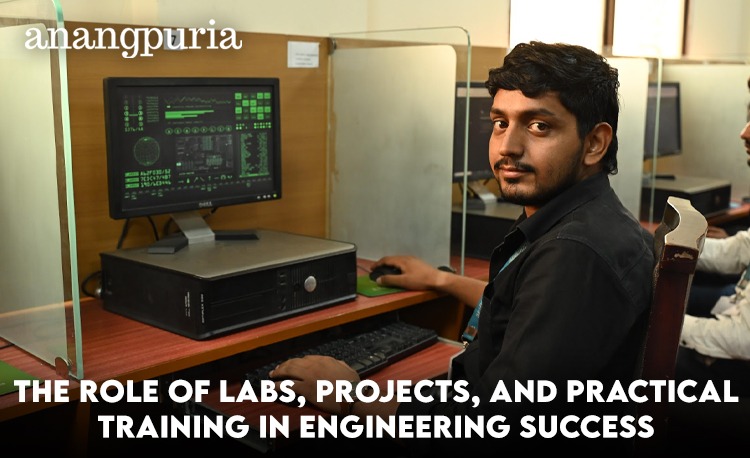
The Role of Labs, Projects, and Practical Training in Engineering Success
Key Highlights
- Understand why practical learning is essential in engineering education.
- Explore how laboratories strengthen technical understanding.
- Learn the importance of projects in developing problem-solving skills.
- Discover how industrial training bridges the gap between academics and industry.
- Find out what students should look for when selecting an Engineering
- Understand how hands-on experiences improve employability and innovation.
Table of Contents
- Introduction
- About Us
- Why Are Engineering Labs Important for Student Success?
- How Do Academic Projects Build Real-World Skills?
- Why Does Practical Training Matter in Engineering Careers?
- How Do Industry Collaborations Improve Learning Outcomes?
- Labs, Projects, and Training: A Comparative Overview
- Key Components of an Industry-Oriented Engineering Education
- Conclusion
- FAQs
Introduction:
Engineering is a discipline built on innovation, experimentation, and practical application. While classroom lectures provide the theoretical foundation necessary to understand scientific and engineering concepts, true mastery comes from applying those concepts in real-world situations. At Anangpuria, the Top Engineering Colleges in Haryana where the industries become increasingly technology-driven, employers expect graduates to possess not only academic knowledge but also practical experience that demonstrates their ability to solve complex challenges.
About Us:
A forward-thinking engineering institution focuses on preparing students for future industry demands through a balanced blend of theoretical learning and practical exposure. By emphasizing laboratory work, industry-relevant projects, research initiatives, and professional training programs, students gain the skills required to excel in today’s competitive engineering landscape.
Why Are Engineering Labs Important for Student Success?
Engineering laboratories serve as the foundation of practical learning. They allow students to validate theoretical concepts through experimentation and observation.
Laboratory experiences help students:
- Understand engineering principles through hands-on application.
- Develop technical and analytical skills.
- Learn to use modern engineering tools and equipment.
- Improve accuracy, observation, and troubleshooting abilities.
- Gain confidence in conducting experiments independently.
Whether working in electronics, mechanical systems, computer programming, or civil engineering structures, laboratories provide valuable exposure that enhances classroom learning and strengthens technical competency.
Practical Learning Impact Chart
| Learning Component | Technical Skills | Problem Solving | Industry Readiness |
| Classroom Learning | Moderate | Moderate | Basic |
| Laboratory Sessions | High | High | Good |
| Academic Projects | Very High | Very High | Excellent |
| Industrial Training | Excellent | Excellent | Excellent |
| Research Activities | Very High | High | Excellent |
How Do Academic Projects Build Real-World Skills?
Projects encourage students to move beyond theoretical discussions and develop practical solutions to real-world problems.
Project-based learning enables students to:
- Apply classroom concepts to practical challenges.
- Develop innovation and creativity.
- Strengthen teamwork and collaboration skills.
- Improve project management capabilities.
- Learn documentation and presentation techniques.
Engineering projects often simulate workplace environments where students must analyze requirements, develop solutions, test outcomes, and present results. This experience significantly improves their confidence and professional readiness.
Why Does Practical Training Matter in Engineering Careers?
Industrial training provides students with direct exposure to professional engineering environments. It helps bridge the gap between academic learning and industry expectations.
Key benefits include:
- Understanding workplace processes and standards.
- Learning how engineering concepts are implemented in industries.
- Gaining exposure to emerging technologies.
- Developing communication and professional etiquette.
- Building industry networks and career connections.
Practical training also allows students to identify career interests and gain clarity regarding their future specialization choices.
How Do Industry Collaborations Improve Learning Outcomes?
Industry collaborations create opportunities for students to learn from experienced professionals and stay updated with evolving technological trends.
These collaborations may include:
- Expert guest lectures.
- Technical workshops and seminars.
- Industry-sponsored projects.
- Research partnerships.
- Corporate mentorship programs.
Such initiatives expose students to current industry challenges and provide valuable insights into emerging opportunities within engineering sectors.
Labs, Projects, and Training: A Comparative Overview
| Component | Primary Purpose | Key Benefit |
| Laboratories | Practical Understanding | Technical Skill Development |
| Academic Projects | Problem Solving | Innovation and Creativity |
| Industrial Training | Workplace Exposure | Career Readiness |
| Workshops | Skill Enhancement | Industry Awareness |
| Research Activities | Knowledge Creation | Advanced Technical Expertise |
Key Components of an Industry-Oriented Engineering Education
Students looking for a Top Engineering College in Haryana should evaluate the following practical learning opportunities:
Modern Laboratory Infrastructure
- Advanced equipment and technology.
- Well-maintained research facilities.
- Hands-on experimentation opportunities.
Industry-Relevant Projects
- Real-world problem-solving assignments.
- Interdisciplinary project work.
- Innovation and entrepreneurship initiatives.
Professional Training Programs
- Industrial visits.
- Internship opportunities.
- Technical certification courses.
Career Development Support
- Placement preparation workshops.
- Communication and leadership training.
- Industry mentoring sessions.
Research and Innovation Opportunities
- Faculty-guided research.
- Innovation labs and incubation centers.
- Participation in technical competitions.
These elements collectively contribute to producing skilled engineering graduates capable of succeeding in rapidly evolving industries.
Conclusion:
Engineering success is no longer determined solely by academic performance. In today’s competitive environment, laboratories, projects, and practical training play a crucial role in developing industry-ready professionals. Hands-on experiences help students apply theoretical knowledge, build technical expertise, and gain confidence in solving real-world challenges.
FAQs:
1. How does Anangpuria compare with other engineering colleges in providing practical laboratory exposure?
Anangpuria emphasizes hands-on learning through laboratories, helping students gain technical skills that complement theoretical education when compared with many traditional engineering institutions.
2. Why should students compare Anangpuria with other Top Engineering Colleges in Haryana before admission?
Students should evaluate factors such as laboratory facilities, project opportunities, industry exposure, faculty expertise, and placement support to make an informed decision.
3. Does Anangpuria offer better project-based learning opportunities compared to other engineering colleges?
Project-based learning opportunities help students develop innovation, teamwork, and problem-solving skills that are highly valued by employers across industries.
4. How important is industrial training at Anangpuria compared with other engineering institutions?
Industrial training provides practical workplace exposure and helps students understand industry expectations, making it a vital component of engineering education.
5. How do employers view graduates from Anangpuria compared with graduates from other engineering colleges?
Employers often prefer candidates who possess a strong balance of theoretical knowledge and practical experience gained through labs, projects, and industrial training.
6. What practical learning facilities should students compare between Anangpuria and other Top Engineering Colleges in Haryana?
Students should compare laboratory infrastructure, internship opportunities, research facilities, industry collaborations, project support, and placement preparation initiatives before selecting an institution.
Read More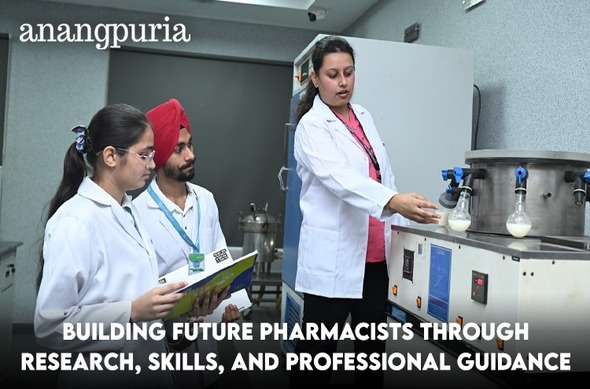
Building Future Pharmacists Through Research, Skills, and Professional Guidance
Key Highlights
- Understand the growing importance of research-driven pharmaceutical education.
- Learn how practical skills shape successful pharmacy careers.
- Discover the role of professional guidance in preparing future pharmacists.
- Explore how industry exposure enhances employability and innovation.
- Find out what students should look for when choosing a B Pharma College.
- Learn how a balanced approach to academics, research, and training creates industry-ready pharmacy professionals.
Table of Contents
- Introduction
- About Us
- Why Is Research Important in Pharmacy Education?
- How Do Practical Skills Shape Future Pharmacists?
- Why Does Professional Guidance Matter for Pharmacy Students?
- How Does Industry Exposure Improve Career Opportunities?
- Research, Skills, and Guidance: A Comparative Overview
- Essential Elements of a Future-Focused Pharmacy Program
- Conclusion
- FAQs
Introduction:
The pharmaceutical industry plays a crucial role in improving healthcare outcomes and enhancing the quality of life worldwide. At Anangpuria, the Top 10 B Pharma Colleges in Faridabad where medical science continues to advance, the demand for highly skilled pharmacists has increased significantly. Today’s pharmacy professionals are expected to possess not only strong academic knowledge but also practical expertise, research capabilities, and professional competencies that enable them to contribute effectively to patient care, drug development, and healthcare innovation.
About Us:
A progressive pharmacy institution is committed to nurturing future healthcare professionals through a comprehensive educational approach that combines academic excellence with practical learning. By emphasizing research activities, laboratory training, industry interaction, and professional development, students gain the confidence and expertise needed to excel in diverse pharmaceutical careers.
The focus is on developing critical thinkers, ethical practitioners, and innovative professionals who can contribute meaningfully to the healthcare and pharmaceutical sectors while adapting to emerging industry trends and technological advancements.
Why Is Research Important in Pharmacy Education?
Research is a cornerstone of pharmaceutical innovation. It helps students develop scientific thinking, analytical skills, and a deeper understanding of drug development processes.
Research-oriented learning enables students to:
- Explore new pharmaceutical formulations and technologies.
- Understand drug discovery and development processes.
- Develop critical analysis and problem-solving abilities.
- Gain exposure to scientific methodologies and experimentation.
- Contribute to healthcare advancements through innovation.
Students who participate in research projects often gain valuable experience that prepares them for higher studies, clinical research, and pharmaceutical industry roles.
Pharmacy Education Impact Chart
| Learning Component | Knowledge Development | Practical Skills | Career Readiness |
| Classroom Learning | High | Moderate | Moderate |
| Research Activities | Very High | High | High |
| Laboratory Training | High | Very High | Excellent |
| Industrial Exposure | High | Excellent | Excellent |
| Professional Mentorship | Moderate | High | Very High |
How Do Practical Skills Shape Future Pharmacists?
Pharmacy is a profession that requires precision, technical competence, and attention to detail. Practical skills enable students to apply theoretical concepts effectively in real-world healthcare settings.
Key benefits of practical training include:
- Understanding pharmaceutical formulations and manufacturing processes.
- Learning laboratory techniques and quality control procedures.
- Developing medication management and dispensing skills.
- Enhancing communication and patient interaction abilities.
- Building confidence in handling pharmaceutical equipment and technologies.
Hands-on experiences ensure that graduates are prepared to meet professional responsibilities and industry expectations from the beginning of their careers.
Why Does Professional Guidance Matter for Pharmacy Students?
Professional guidance helps students navigate academic challenges, career opportunities, and industry requirements effectively.
Through structured mentorship and career counseling, students can:
- Identify suitable career pathways.
- Understand emerging opportunities in pharmaceutical sectors.
- Develop leadership and communication skills.
- Receive guidance for competitive examinations and higher studies.
- Build confidence and professional competence.
Mentorship programs also help students stay informed about evolving industry trends, regulatory requirements, and advancements in healthcare technology.
How Does Industry Exposure Improve Career Opportunities?
Industry exposure provides students with firsthand insights into pharmaceutical operations and workplace expectations. It bridges the gap between academic learning and professional practice.
Benefits of industry interaction include:
- Understanding pharmaceutical manufacturing processes.
- Learning regulatory compliance and quality standards.
- Gaining exposure to clinical research and drug development.
- Networking with industry professionals.
- Improving employability through real-world experience.
Workshops, internships, industrial visits, and expert sessions help students develop a broader perspective on career opportunities within the pharmaceutical sector.
Research, Skills, and Guidance: A Comparative Overview
| Component | Primary Objective | Long-Term Benefit |
| Research Activities | Scientific Exploration | Innovation & Higher Studies |
| Laboratory Training | Practical Learning | Technical Expertise |
| Professional Guidance | Career Development | Better Decision-Making |
| Industry Exposure | Workplace Understanding | Enhanced Employability |
| Skill Development Programs | Competency Building | Professional Success |
Essential Elements of a Future-Focused Pharmacy Program
Students evaluating a B Pharma College should consider the following features:
Advanced Laboratory Facilities
- Modern pharmaceutical laboratories.
- Research-oriented infrastructure.
- Access to advanced analytical instruments.
Research Opportunities
- Faculty-guided research projects.
- Scientific publications and presentations.
- Innovation and development initiatives.
Industry Integration
- Industrial visits and internships.
- Corporate collaborations.
- Expert-led workshops and seminars.
Professional Development Support
- Career counseling sessions.
- Soft skills and communication training.
- Placement preparation programs.
Healthcare and Ethical Training
- Patient-centered learning approaches.
- Regulatory and ethical education.
- Professional responsibility development.
These components create a strong educational ecosystem that supports both academic achievement and professional growth.
Conclusion:
Building successful pharmacists requires more than academic instruction alone. Research experiences, practical skill development, and professional guidance collectively play a vital role in preparing students for the evolving healthcare landscape. These elements help students develop technical expertise, critical thinking abilities, and professional confidence necessary for thriving careers in pharmacy.
FAQs:
1. How does Anangpuria compare with other pharmacy colleges in developing research skills?
Anangpuria emphasizes research-oriented learning, helping students gain scientific knowledge and analytical abilities that are highly valuable in pharmaceutical careers.
2. Why should students compare Anangpuria with other Top 10 B Pharma Colleges in Faridabad before admission?
Students should evaluate research facilities, laboratory infrastructure, industry exposure, faculty expertise, and career development support before making their decision.
3. Does Anangpuria provide better practical learning opportunities than other pharmacy colleges?
Practical laboratory training and hands-on experiences help students develop technical competence and workplace readiness essential for professional success.
4. How important is professional guidance at Anangpuria compared with other pharmacy institutions?
Professional guidance helps students understand career pathways, industry expectations, and higher education opportunities while building confidence and leadership skills.
5. How do employers view graduates from Anangpuria compared with graduates from other pharmacy colleges?
Employers often value graduates who possess a combination of strong academic foundations, practical skills, research experience, and professional competence.
6. What factors should students compare between Anangpuria and other Top 10 B Pharma Colleges in Faridabad?
Students should compare laboratory facilities, research opportunities, industry collaborations, internship programs, faculty support, placement assistance, and overall professional development initiatives.
Read More